

NATURAL peatlands are not only important habitats for rare wildlife, classified as a type of wetland, but they are the most efficient carbon sinks on the planet. Peatland covers only 3 per cent of the world’s land surface, yet stores at least twice as much carbon than all the standing forests combined.

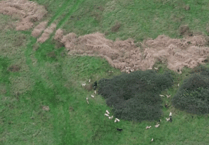


However, these precious ecosystems are being destroyed by draining farmland, for use as fuel, and for garden compost, with 94 per cent of the UK’s lowland peat bogs being lost already. Gardeners use 66 per cent of the peat consumed in the UK – about 48 million 70l bags. Unless it is labelled as peat-free, the average bag contains 70-100 per cent peat. Once removed, peat accumulates at only 1mm a year, taking 1,000-5,000 years to renew a single peat bog. In practice, these areas are not given the chance to regrow, but forested instead, reducing their potential carbon storage.
So what can we use instead in our containers, to grow young plants, and as a mulch? Poole Tip sells three bags of soil improver for only £10, which is great to lighten a clay soil, to use as a mulch, or as part of a container mix, as it is higher in nutrients than manure.
Our local garden centres also sell a range of pre-prepared peat alternatives, and there are some really exciting new developments from Carbon Gold and Dale Foot Composts, using charcoal, or sheep’s wool and bracken, to create the perfect growing medium – water retentive and perfect for seeds. Although these specialised products are a bit expensive now, if we show consumer demand for peat-free, they would become more readily available and cheaper.
For a cheaper option, you could make your own compost. Monty Don’s recipe for seed compost is 25 per cent garden compost, 50 per cent leaf mould, 15 per cent vermiculite, 10 per cent loam. His potting mix is 33 per cent garden compost, 33 per cent leaf mould, 10 per cent loam, 25 per cent grit.
As gardeners, we must share a love for plants and nature, so hopefully all want to do what we can to limit our impact on the wider environment. A big thing we can do to help is to stop buying peat.
Comments
This article has no comments yet. Be the first to leave a comment.