
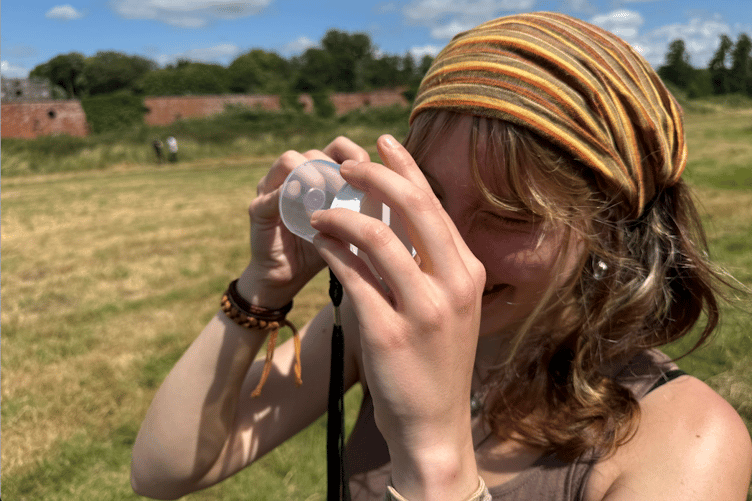
WITH the invention of more technology, scientists have been been able to record and make sense of more data.
However, somebody still needs to record it in the first place; and how do scientists manage to record enough data to produce reliable results?
Well, one of the ways which is becoming more popular, especially in the natural world, is to ask the public for their help.
It is particularly quick, easy, and rewarding to volunteer in this way, it does not need to be social if you do not want, or can introduce you to local people with similar interests if you join a group.

You can often do it in your own time to suit you, or on a certain date as part of a special event or nationwide activity.
And it helps you to connect in a deeper way to the world around you, increasing your knowledge and sparking further interest.
There are many national ‘citizen science’ events, for instance, Somerset Wildlife Trust’s ‘Big Count’ on June 18 to 27, and Butterfly Conservation’s ‘Big Butterfly Count’ on July 17 to August 9.
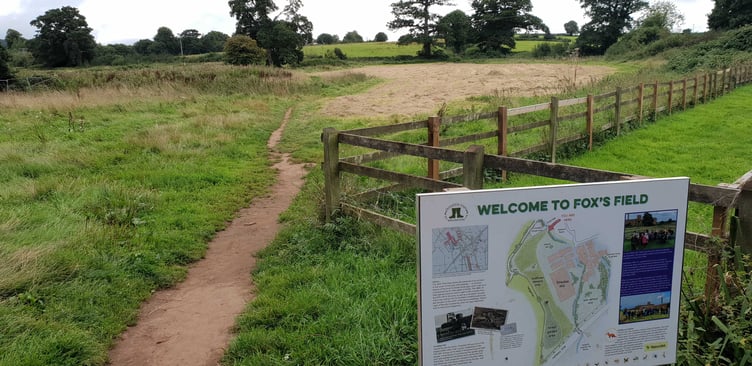
To join in with a local ‘citizen science’ event, Transition Town Wellington are running a ‘bioblitz’ on Saturday and Sunday, June 13 and 14, at Fox’s Field.
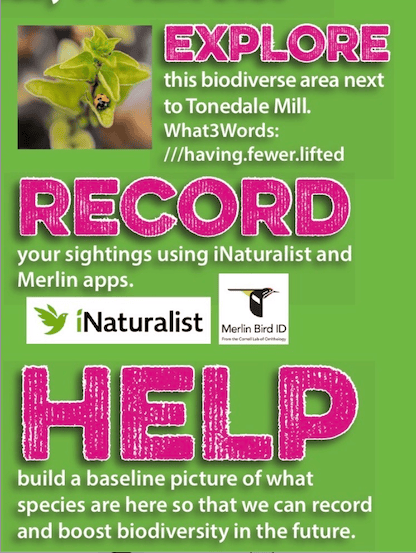
Last year, we recorded an amazing 271 different species, so the challenge is this year can we find more?
Throughout the day we will be joined by a number of different experts, ecologists, and keen amateurs who will guide us through where to look for the creatures we share our world with, and share their knowledge and interesting facts about wildlife.
We will guide you how to add your sightings to the app iNaturalist, which needs either a smart phone or digital camera and computer, and sends data straight to the environmental records centre among others.
Or, you can just come along and watch, listen, and hunt for creatures and leave the recording to other people.
Each session lasts 45 minutes and will focus on different creatures, from butterflies, moths, and other invertebrates, plants, bats, and birds.
Will we be able to spot the common lizard we know lives in the forest garden?
Or, see some hedgehog footprints?
What will we find river dipping?
Activities run from 2 pm to 10.30 pm on Saturday, then again 6 am to 9 am Sunday morning.
Everybody is welcome, including families with small children, and you can dip in and out when it suits, it is free to attend, and no need to book.
Details and a timetable of activities is available here https://ttw.org.uk/calendar/bioblitz-part-one-13-06-2026.
If you are particularly interested in our rivers and streams TTW’s water guardians group (see ttw.org.uk/water) meet monthly 9.30 am on the first Thursday of the month at Braziers.
Everybody is welcome to join in, and we are looking forward to their publication of a new map for Wellington, focussing on the rivers and waterways that connect us to the surrounding countryside.
So, why not try some citizen science for yourself.
By Helen Gillingham for Transition Town Wellington
Comments
This article has no comments yet. Be the first to leave a comment.