
Too much water, not enough pressure, or everything failing at once. An all-too common occurrence around Wellington where water has a habit of misbehaving when you least expect it. Understanding the situations you face makes fixing the problem far less painful, and far less expensive and infinitely better than hoping the situation will solve itself.
Living in and around Wellington means dealing with water in all its moods. Some months, it feels like every garden corner stays soggy forever. Other times, you’re dragging hoses around trying to keep plants alive. And then the entire thing dries up, and there you stand with hose in hand, wondering why now, of all times, things are not working as they should. When that moment arrives, it helps to understand the situations you are dealing with before diving headfirst into the first solution that looks right.
Practical Situations Where the Right Pump Matters at Home
Water problems around the home usually arrive without warning. A garden floods after heavy rain. A shed fills up faster than expected. A hose struggles to deliver enough pressure to reach the far end of the lawn. These are common sights around Wellington, especially in properties with sloped gardens or older drainage layouts.




In times like these, you realise it may be time to choose a water pump that suits the job rather than forcing a workaround that causes new headaches later. Because when was the last time a workaround actually solved a problem rather than created a new one?
The solution is often surprisingly simple: It is about moving water without stress or repeated problems. The key to saving money and avoiding headaches is thinking through the situation. It helps avoid buying equipment that is either underpowered and can’t do the job or spending too much money on something that is overkill for the task at hand.
Dealing With Excess Water in Gardens and Outdoor Spaces
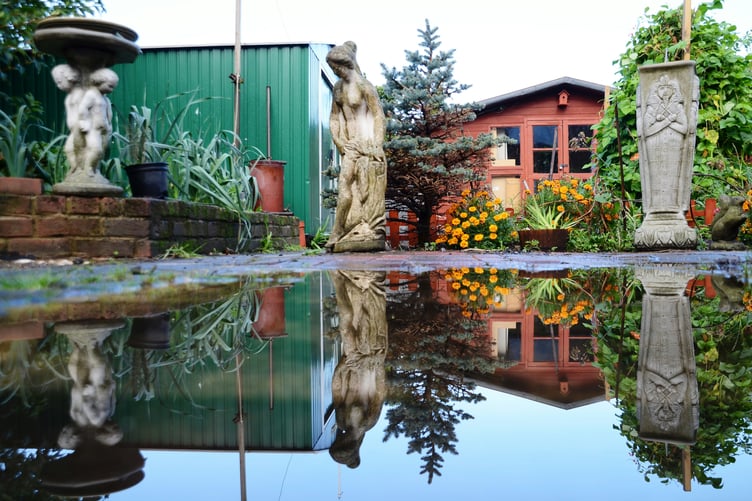
Heavy rain can turn tidy gardens into a muddy mess in a hurry. Lawns struggle to drain, patios collect pools of water and storage areas become, at best, damp, or, at worst, unusable. Water goes where it wants, and, in Wellington, where gardens often slope or sit near older boundaries, water rarely goes where you need it to.
Clearing visible puddles is often the starting point, but the real issue is managing where water ends up after it moves. Poor drainage can affect plants, damage structures and create long-term damp problems if ignored. Thinking practically about runoff and low points gives homeowners a clearer picture of what they are dealing with, rather than guessing based on one bad afternoon of rain. The puddle may be the logical starting point, but what is the logical endpoint?
Water Pressure Challenges in Older and Extended Properties
Many homes in the area have grown over the years. Extra bathrooms, extended kitchens, garden taps and outbuildings all add demand to water systems that were never designed for it. The result is often sporadic and underwhelming water pressure, especially when more than one tap.
Low pressure does not always mean something is broken. It often indicates a system working far beyond its original design. Recognising this helps people avoid unnecessary plumbing work and instead focus on supporting what is already there. Once you understand where pressure drops occur, it becomes easier to decide what kind of assistance the system actually needs.
Seasonal Changes and Local Water Use Patterns
Water use around Wellington changes with the seasons. Wet months bring drainage concerns, while drier spells push gardens and allotments into focus. These seasonal changes affect how water flows and how much demand is placed on taps and hoses.
Planning with these patterns in mind prevents reactive decisions. Instead of responding only when something fails, homeowners can think ahead about likely pressure points. This keeps systems working smoothly and avoids rushed fixes during the busiest or wettest periods of the year.
Making Informed Choices Without Overcomplicating Things
When people talk about water systems, the conversation can become very technical very fast. In reality, most water management decisions come down to purpose, capacity, and fit. What needs moving? How far? How often? Answering those questions keeps the thinking solutions-oriented and not just looking for a cheap fix. Or worse, spending too much on a system that is too strong for the job at hand.
Overbuying leads to wasted money and unnecessary setup. Underbuying leads to frustration and repeat purchases. Staying focused on the actual situation at hand helps avoid both. Clear thinking always beats clever solutions, especially when dealing with something as ordinary and stubborn as water.
Keeping Water Management Simple and Local
Water issues around the home are rarely dramatic, but they can be disruptive if left unchecked, and disruption can turn to outright disaster when you can least afford it. With a straightforward approach, most water problems become manageable rather than overwhelming, so with a bit of homework and a bit of planning, Wellington residents can tame their water problems, and that is one less thing to worry about
Comments
This article has no comments yet. Be the first to leave a comment.