


SOMERSET Council has ratcheted up debt totalling more than £1 billion and will not be able to bring it down until some time in the next decade.
Councillors sitting on the audit committee were told in a report how on the creation of the unitary authority in April, 2023, it had inherited debt from the former county and four district councils it replaced.
Much of the debt is external borrowing through the Public Works Loans Board used to pay for its commercial investments and to fund new schools, roads, and similar projects.
The borrowing is expected to continue to rise in the coming five years, partly driven by Somerset’s commitment to deliver 500-plus council properties.



Total debt is expected to drop back below the £1 billion mark by the mid-2030s.
As of April 1 this year, council debt stood at £1,124,812,000, roughly £1,900 borrowed for every man, woman, and child in Somerset.
By the end of the current financial year it is expected to rise to more than £1.13 billion, but to then fall annually for the next four years.
A council spokesperson said: “The council’s overall borrowing requirement has reduced.
“This reflects the progress on asset sales and changes to the capital programme as part of setting the 2026-27 budget.
“As a result, the council currently holds less debt than it did on April 1, 2023.
“While future forecasts do show borrowing increasing over time, these figures include borrowing for the housing revenue account, which is a key driver of projected increases in later years.
“We continue to take a prudent and active approach to managing our debt.
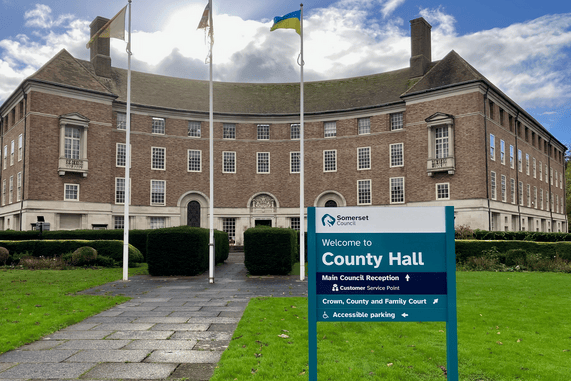
“This includes reducing borrowing where possible, closely reviewing capital spending, and making use of receipts from asset disposals.”
The council has to allow for debt repayment, including interest charged, which this year will be slightly more than £50 million, funding which is then not available for frontline services such as children’s and adult social care, or fixing potholes.
While borrowing is expected to increase over the next five years, there will also be more money coming in from council tax, driven by new housing, along with increased Government grants.
The spokesperson said: “In terms of the proportion of the revenue budget used to service debt, this varies over time depending on borrowing levels and interest rates.
“We are focused on managing these costs through its financial strategy, including limiting new borrowing where possible and maintaining a balanced and sustainable budget position.
“We are not reliant on interest rate cuts to manage its borrowing costs.
“Our treasury management approach is designed to manage risk over the long term, including fluctuations in interest rates.
“CIPFA’s Prudential Code recommends that our total debt should be lower than its highest forecast capital financing requirement over the next three years.
“Although timings of actual cash outflows are not totally predictable, we expect to comply with this recommendation in 2026-27 and over the term of the medium-term financial plan.”
Comments
We've recently changed our login process. If you have an account for commenting, you will need to re-register on the login window.
This article has no comments yet. Be the first to leave a comment.