

Somerset County Council has passed its budget for the coming year, including £8m of savings, with minimal debate.
The full council convened in Taunton last Wednesday morning (February 20) to agree its budget for 2019/20, along with its major capital infrastructure projects for the coming years.
Councillors clashed over proposals to ring-fence £1m to ‘support preventative funding for services’, developing ideas of how money can be saved through preventative action in future years.
But the overall budget – including a council tax rise of just less than four per cent – was passed inside of two hours with little gripe from opposition members.
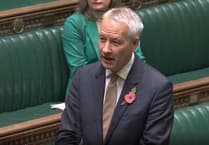 Wellington MP highlights rising property service charges as a cause for concern
.jpeg?width=209&height=140&crop=209:145,smart&quality=75) Liberal Democrat candidate wins more than half the votes in town council by-election
Liberal Democrat candidate wins more than half the votes in town council by-election MP calls for emergency package as wait times increase in Wellington
 All candidates standing in Wellington Town Council by-election announced
Council chairman Nigel Taylor warned councillors to ‘keep politics lower on the agenda’ than last year when he opened the meeting at Shire Hall – a meeting proceeded by protests from trade unions and climate change campaigners.
Council leader David Fothergill began the budget discussion by referring back to September 2018, when the council approved £15m of cuts in the face of stark warnings about its finances.
He said: “September 12 last year was a particularly challenging day – a day I’ll remember for a long time. September 12 is only five months away – it seems an age, an absolute age. Five months ago, and how circumstances have changed for this council.
“Five months ago, we couldn’t even look at setting a balanced budget for this year. Today we are doing just that. We are no longer seen as a problem authority – people are now talking about Somerset for the right reasons.
“Today we can hold our heads high that we took those difficult decisions, that we met those challenges and we have returned this council onto a sustainable footing.”
The measures agreed in the council’s budget include a council tax rise of 2.99 per cent – the highest possible without triggering a referendum – plus a further one per cent rise to be spent solely on adult social care.
For Band D council taxpayers, this equates to a rise of around 91p per week, with the council claiming it will generate around £9.4m to fund public services.
But this comes alongside savings of £8m, of which £2m will come directly from front-line services which the council provides.
Deputy leader Mandy Chilcott said: “We have to consider about £8m of proposals in order to ensure that this council sets a balanced budget. Only about £2m will represent a deterioration in any services – of course, even that impact is regretted.”
Ms Chilcott also confirmed the council would spend £224m on capital projects – such as new schools and improved roads – by 2023, of which £156m would go on improvements to Somerset’s road network.
She added: “The message of this programme is that Somerset is open for business and is working to improve the lives of its people.
“This budget should ensure this council is financially robust enough to withstand the implications of the government’s comprehensive spending review.”
Cllr Liz Leyshon, from the Liberal Democrat opposition group, said she looked forward to details of how £500,000 would be spent on preventative proposals – and then proposed that the amount be doubled.
She suggested a further £500,000 be allocated along the following lines:
n £200,000 for a pilot study on the impact of universal credit
n £170,000 on a review of the county ticket for bus travel
n £100,000 towards the redesign of the young carers service
n £30,000 for specialist financial advice to ensure the governance of the council’s potential commercial investments is robust
Mr Fothergill welcomed the opposition’s involvement but said it had ‘come forward so late in the day’ that he could not accept it.
Instead, Ms Chilcott put forward a similar proposal – to put in the extra £500,000 to the ring-fenced fund but not to specify how it would be spent.
Ms Leyshon’s proposal was ultimately defeated by 31 votes to 20, while Ms Chilcott’s proposal passed by 50 votes to one.
Councillors subsequently voted unanimously to approve the council’s capital budget and its capital strategy – including its new approach to generating commercial income.
The revenue budget – which covers the council’s day-to-day spending – was passed by 31 votes to nine with 11 abstentions.
DANIEL MUMBY
Local democracy reporter
Comments
This article has no comments yet. Be the first to leave a comment.