
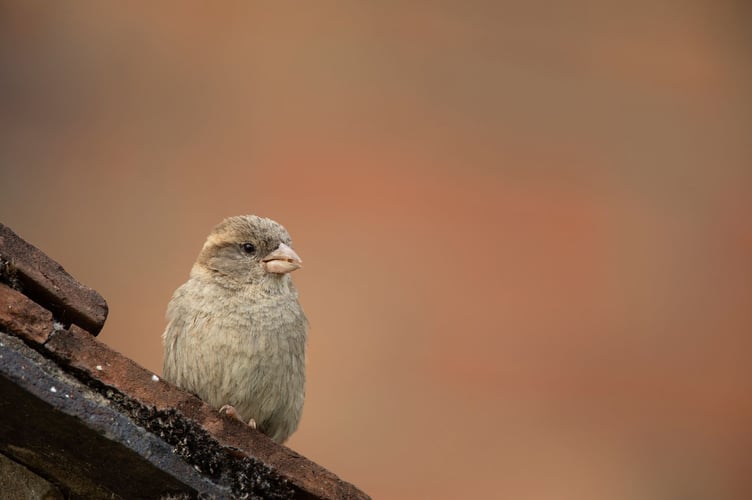
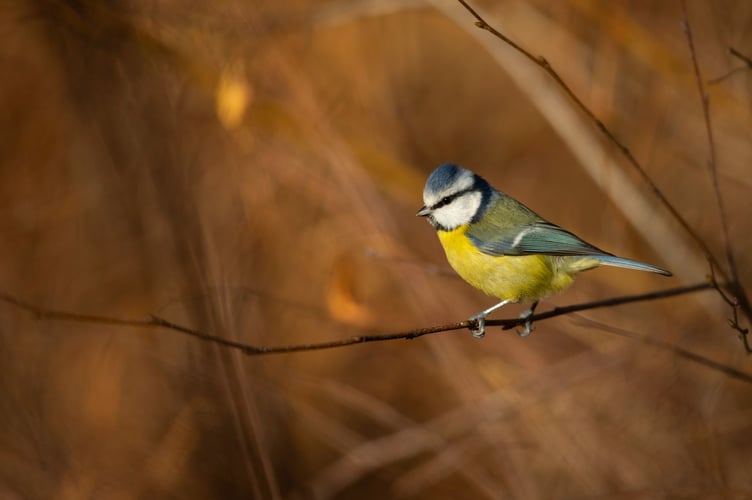
IN Somerset more than 14,000 people took part in the RSPB’s ‘Big Garden Birdwatch’ this year, with house sparrow as the most frequently spotted bird, followed by blue tit and starling.
Woodpigeon and blackbird made up the other top five most recorded species in UK gardens.
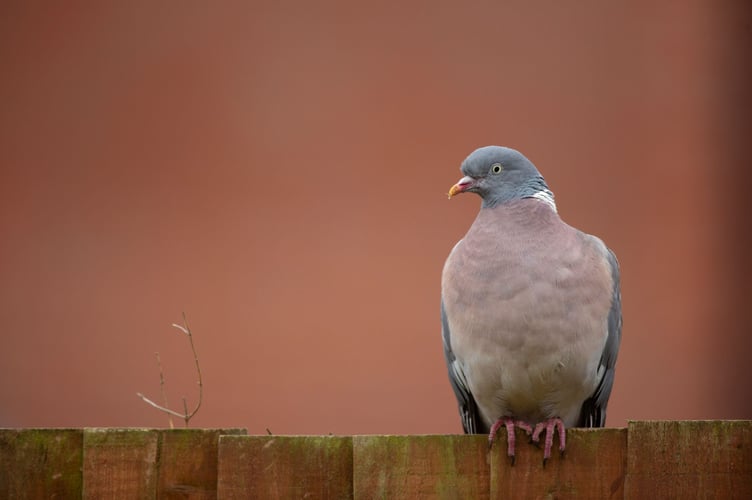
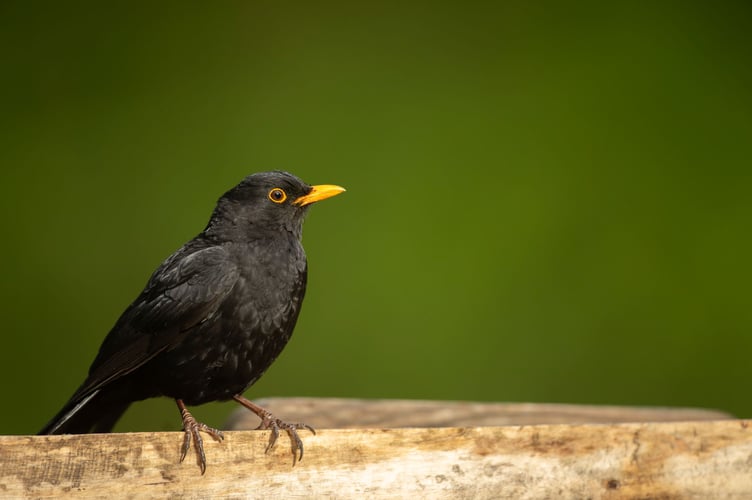


In total more than 650,000 people took part in the world’s largest garden wildlife survey, counting more than nine-million birds of over 80 species during this year’s Big Garden Birdwatch – an amazing achievement. The survey provides a valuable annual snapshot of how our most common garden birds are faring.
However, it is further down the garden rankings where the real story lies. At 18th spot on the list is Greenfinch, which has seen a 67 per cent decline in average numbers recorded since Big Garden Birdwatch began in 1979. Other UK-wide surveys show that greenfinches have dropped by over 65 per cent since the latest UK wide surveys began in the mid‑1990s, equating to the loss of over two million birds.
The cause of these losses is disease, especially a disease called trichomonosis, which spreads more easily when birds gather around feeders — particularly in summer and autumn. As a result of these declines, Greenfinches are now on the UK Red List due to disease-related declines.
With the help of other experts, RSPB scientists have taken a fresh look at what happens when we feed garden birds. It turns out the picture is quite mixed: there are clear benefits, but also some risks, and plenty we still don’t fully understand.
The RSPB’s chief executive, Beccy Speight said: “Feeding birds is something millions of us love and value, but the science shows us that birds such as Greenfinches have been affected by the spread of disease at feeders.”
Despite the risks, feeding garden birds remains hugely beneficial when done safely and at appropriate times of year. The RSPB is asking the public to adopt simple seasonal changes that will help protect bird health in the long term.
The message is simple: “Feed safely. Feed seasonally.”
Beccy added: “We’re not asking people to stop feeding, just to feed in a way that protects birds’ long-term health. By making small changes together, we can ensure garden feeding continues to be a positive force for nature.”
The Big Garden Birdwatch is a large-scale citizen science survey that started in 1979. Participants are asked to count the maximum number of each species recorded at their chosen location (mainly gardens but also parks or other green spaces) during a one-hour period over the last weekend in January. Teachers and pupils also took part in Big Schools’ Birdwatch, during the first half of spring term, with a record breaking 143,000 participants this year.
Thanks were expressed to members and supporters of the RSPB, which says it can now carry out vital conservation efforts to support nature throughout the year thanks to these results. To find out more visit www.rspb.org.uk
Comments
We've recently changed our login process. If you have an account for commenting, you will need to re-register on the login window.
This article has no comments yet. Be the first to leave a comment.