

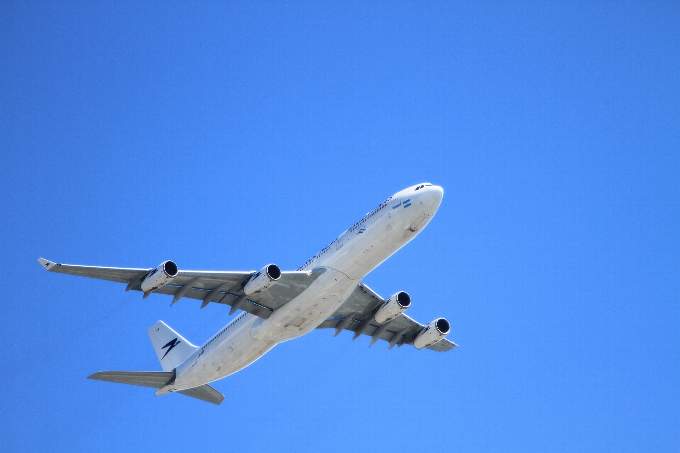
In the Sustainable Living article of January 7, we looked at the aim of Wellington getting to carbon neutral by 2030. We offered six suggestions of how to do this, which we will dig deeper into over the following year, starting with cutting air travel.
Carbonindependent.org says that the average yearly individual’s carbon footprint in Britain is ten tonnes - double the world average. Our UK aviation footprint is 80 million tonnes/year. With a town of about 15,000 people, some of us won’t fly at all, some just occasionally, some might go on holiday once or even twice a year and a few may even fly frequently or for their job.
It really makes a difference what type of flight you are taking. An economy flight - Bristol-Mallorca is 0.43 tonnes; Bristol-Cypres is 1.05 tonnes; Gatwick-Florida is 2.15 tonnes; London-Bali is 3.59 tonnes; London-Sydney is 5.10 tonnes. (Figures from worldlandtrust.org).
You can see that a single long haul flight could take you from perhaps a below average yearly footprint to way above.




A major problem is people travelling by aeroplane multiple times a year or in premier classes - first class takes up four times more space, so therefore quadruples the carbon footprint in comparison to economy. Reportedly, only 15 per cent of the population take 70 per cent of all flights, which is why campaigners are pushing for a ‘frequent flier levy’ - see afreeride.org - where the first flight per year is free from this tax, but the more you fly, the more you are taxed.
We know we must all do our bit for climate change. Many businesses are reducing the frequency of flights and swapping to conference calling to reduce costs and their carbon footprint. If you have family across the world then changing destination is impossible but most flights are taken for pleasure. This is where the change can be made.
Here are some suggestions to reduce your carbon footprint:
If your main focus is cost, relaxation and sunshine, nothing beats an all inclusive in a resort. But if you’re going to be making the most of the hotel facilities, why go long haul? The difference in carbon footprint is obvious from the examples shown above, and there are some fantastic all inclusives in the south of France and Spain, and you don’t have to spend as long in a plane.
If your focus is culture or adventure, there are plenty of different cultures and landscapes in Europe, and travelling by train can mean you see more of the country you are visiting, plus you can avoid flying altogether. High speed train is 213g CO2 lower per kilometre travelled compared to flying. Ferries are much better too and improving all the time - Brittany Ferries has just launched the ‘Salamanca’ ferry to Santander in Spain using LNG, which emits just 18g of CO2 per passenger kilometre.
If you like sport or scenery, we have plenty of places nearby. Stunning Scotland or the French Alps are just a drive or train ride away.
If you dream of a holiday of a lifetime to somewhere tropical or long haul, make it really worth it and spend more time there so you don’t feel the need to go back, and try eco-tourism which supports local communities and the environment.
So is there hope for the future of air travel? EasyJet is designing electric planes to go up to 500 miles, aiming to fly short haul by 2030, and other companies are looking at bio-airfuel. But these technologies are a long way off and biofuel has its problems. There is not enough plant matter, be it farm waste or specifically grown crops, to supply biofuel to replace all our fossil fuels at the current usage, plus that biomatter could be used to rebuild the fertility of our depleted soils which could trap carbon, rather than just being burned as another source of CO2. So maybe in another ten years flying could be less polluting but we still need to cut our extravagance now.
If you feel motivated to do your bit for climate change and pledge not to fly, it’s good to feel others are doing the same, because it’s only with our collective efforts we will make a difference. Please join nearly 4,000 others via https://flightfree.co.uk/ to encourage more people to cut their flights, too. And if you need practical tips on travelling by train to anywhere in Europe or beyond, the Man in Seat 61 https://www.seat61.com/ is an absolute must. No matter where - if it’s possible to get there by train, Mark Smith - who has singlehandedly compiled this website - has done it.
HELEN GILLINGHAM
Comments
This article has no comments yet. Be the first to leave a comment.