
TO celebrate the start of British Summertime on Saturday (March 29), Forestry England has released a new short film revealing how a pioneering project is putting nature back in control across part of the Blackdown Hills National Landscape.
The project is using cutting-edge technology and data-driven science to help make the site one of the richest and wildest places for nature across England, supporting priority species including dormice, adders, and nightjar.
In partnership with the Tesco Nature Programme, Forestry England has carried out detailed survey and monitoring work to create a holistic picture of the habitats of the area, the natural processes that exist, and those that are missing.
The project aims to restore fully-functioning ecosystems at a landscape scale by working, not just in the nation’s forests, but with neighbouring landowners to boost wildlife and help nature recover.
 Lib Dem call to scrap King's visit to America is backed by MP Rachel Gilmour
 NHS reverses claim and admits new Wellington Medical Centre patients CAN be accepted
 Wellington businessman says blocked drains blighting son's property investment
 Planning applications in and around Wellington submitted to Somerset Council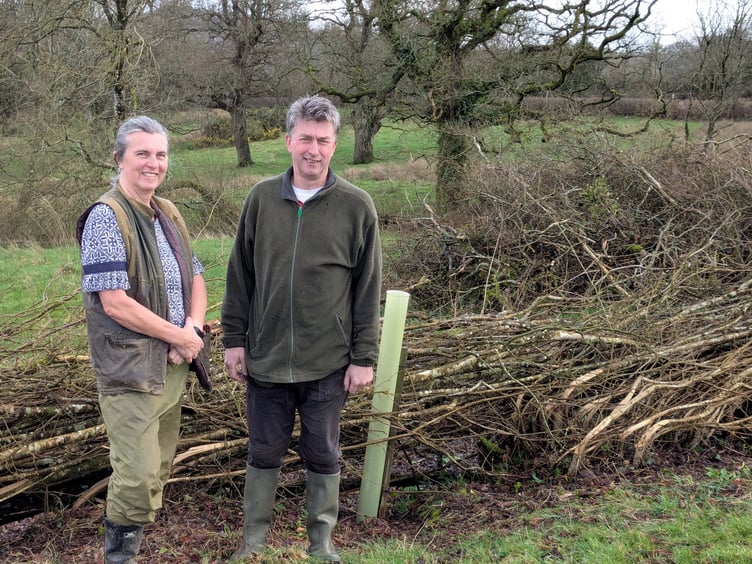
With more than 100 farms across the project area, a dedicated land use advisor funded by Tesco Nature Programme is supporting farmers to reap the benefits of nature-first techniques.
Lifelong nature lovers Keith and Sam Cutler purchased a run-down Blackdowns farm on the spur of the moment in 2018, and have been working to restore their land and welcome back nature ever since.
Mr Cutler said: “We have worked hard to get the fields back into reasonable order, encouraging more and a wider range of wild flowers.
“We have started laying hedges, re-established a small orchard of traditional Westcountry varieties of fruit trees, and dug the first of what we hope will be several new ponds that have already been claimed by growing communities of amphibians and dragonflies.
“Now, we are thrilled to be working with the project to kick-start our sustainable grazing plans to further benefit biodiversity and wildlife on the farm.
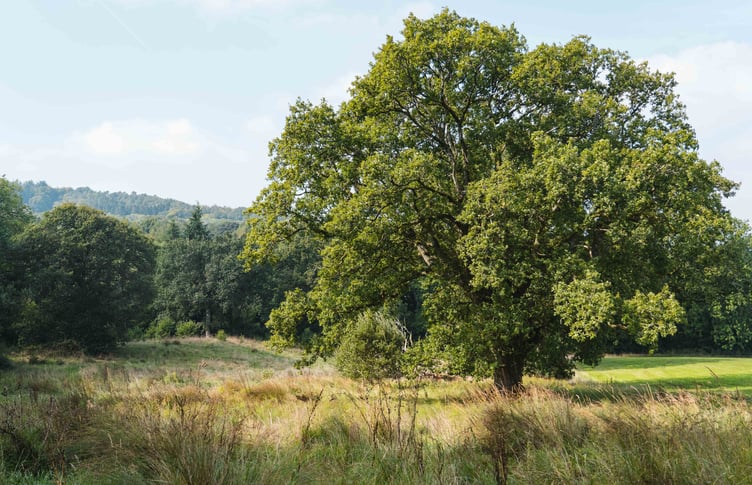
“We plan to introduce a small breeding herd of Riggit Galloway cattle, a hardy, ancient, rare breed that we think will be perfect to naturally manage and rejuvenate the grassland.
Mrs Cutler said: “Restoring nature is hard work but immensely rewarding.
“We are proud that walkers can see what we are achieving and that some of our neighbours have also started laying their hedges and coppicing their woodland.
“I see nature-based farming as a community asset, so the bigger the area involved the bigger the asset, and the project is ideally positioned to help us achieve more for the Blackdown Hills.”
The project covers more than 2,100 acres of the Blackdowns and includes varied habitat such as deciduous and ancient woodland, wood pasture, significant numbers of ancient and veteran trees, wet heathland, mire and marshy grassland, as well as 20th century conifer plantations.
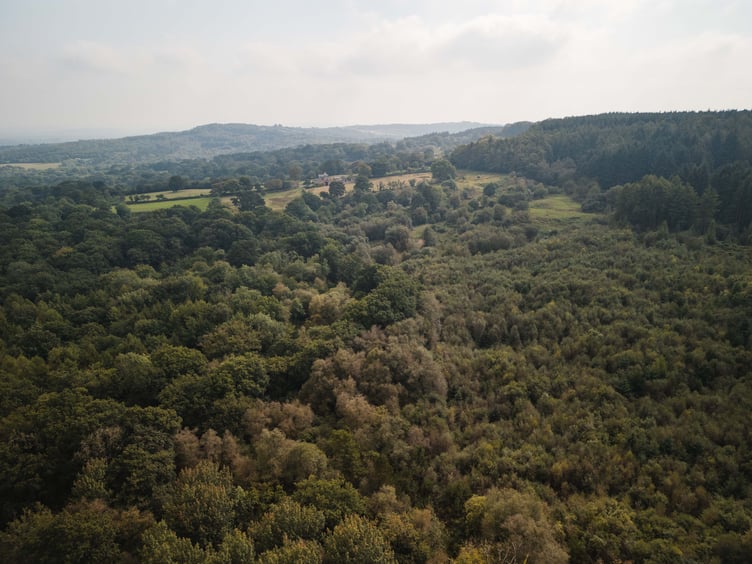
By restoring natural processes, the landscape will become more resilient to the changing climate, and emerging pests and diseases.
Forestry England environment manager, Sam Pegler said: “The ethos behind the project is to put nature back in control.
“By partnering with experts and with support from Tesco, we are building a complete picture of this special landscape and letting nature show us how it can function at its best.
“We do not know exactly how the landscape will look in future and that uncertainty is really exciting, because what we know for sure is that Neroche will become more nature-rich, with benefits for our neighbouring landscapes, too.
“Our new film brings this journey to life.”
With nature in the driving seat, the area is expected change in the years ahead, evolving to provide clear air, healthy soils, carbon storage, flood protection, sustainable forest products such as timber and wild venison, and benefits for neighbouring landscapes in the Blackdown Hills.
Comments
This article has no comments yet. Be the first to leave a comment.