
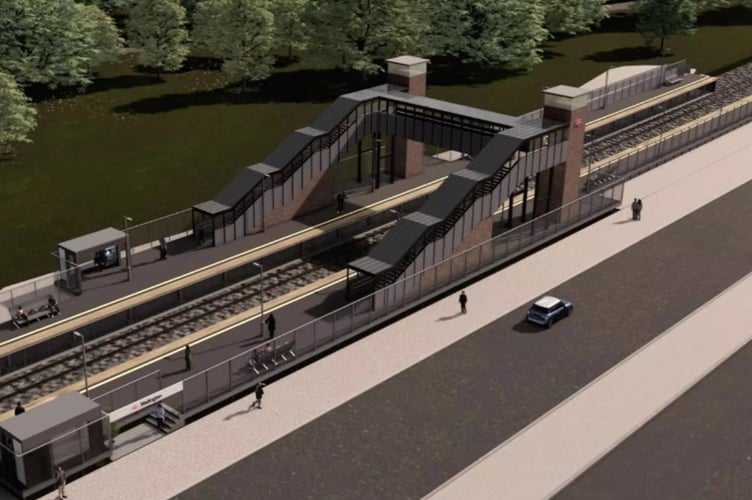
FUNDING has been released to help complete design work on Wellington’s planned new railway station.
The scheme is being designed by Network Rail, which is responsible for operating, maintaining, and developing Britain’s railway infrastructure.
Wellington’s station will be built in conjunction with one in Cullompton, Devon, as part of a twin project which received a renewed Government commitment from transport Secretary Heidi Alexander last July.
The station build is estimated to cost up to £20 million, but the Government has yet to confirm if it will fund the full amount.
 Kate Bush pays tribute to missing former Wellington man after Christmas swim
  Government looking at Wellington community hub as example of good practice
 Wellington railway station housing development could see more homes added
 Beleagured Somerset Council again asking Government for large council tax rise
Town council chief executive Dave Farrow said in a report to councillors £300,000 of ‘accelerated funding’ had now been released for work to finalise and cost out the station design.
Mr Farrow said: “The current thinking is that if all goes to plan, the station will be operational in mid/late 2028.”
He said work on an access road from Nynehead Road to the station site on a section of the Paddington to Penzance line behind the town’s Lidl supermarket was due to start in January.
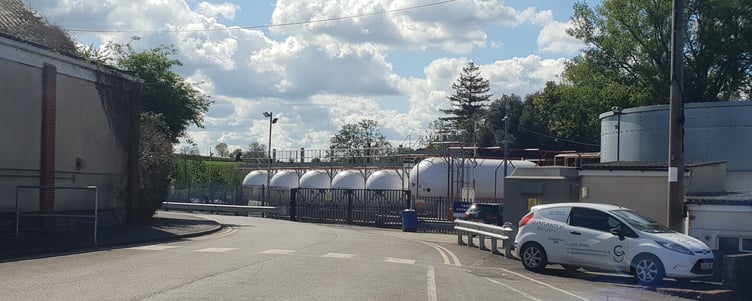
Mr Farrow said the final planning decisions for the station development were then expected to be taken by Somerset Council in February to March.
Network Rail has previously said it would formally submit a planning application early in the New Year.
Wellington has been without a rail connection for more than 60 years since its train station - now part of the Swallowfield cosmetics and aerosols site - was closed in 1964 under what became known as Beeching’s Axe.
Dr Richard Beeching, who later was made a Lord, had been asked by the Government to come up with proposals for restructuring the country’s railway network to improve its economic efficiency.
Wellington was one of more than 2,300 stations included in his cuts programme, which was adopted by the Government of the day.
Comments
This article has no comments yet. Be the first to leave a comment.