
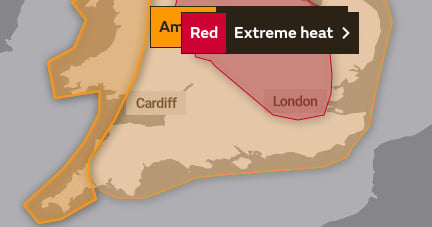
Whilst many of us look forward to enjoying the hot weather Somerset County Council is asking people to monitor themselves, vulnerable people in the community and neighbours during this second heatwave.
With temperatures again set to exceed 30C this week, health risks like heatstroke and dehydration can cause people and pets serious problems. The UK Health Security Agency (UKHSA) has issued a Level 3 Heat Health Warning for the South West.

Cllr Adam Dance, Lead Member for Public Health, Equalities and Diversity at Somerset County Council has shared some helpful advice for staying cool in the warm weather:



“Much of the advice on beating the heat is common sense. Before hot weather arrives, it is a good time to think about what you can do to protect yourself and your family and friends from heat.
“If spending time outdoors remember to take water or other hydrating drinks with you and protect yourself from the sun during the hottest hours of the day, usually between 11am-3pm.
“For some people, especially older people and those with underlying health conditions, the summer heat can bring real health risks. Temperatures indoors can be higher than temperatures outdoors.
“That is why we’re urging everyone to keep an eye on those you know who may be at risk this summer. If you are able, ask if your friends, family or neighbours need any support.”
The council also state that if someone develops heat stroke with a rapid heart rate , shallow breathing, high temperature, cramps and possibly dry skin 999 should be called.
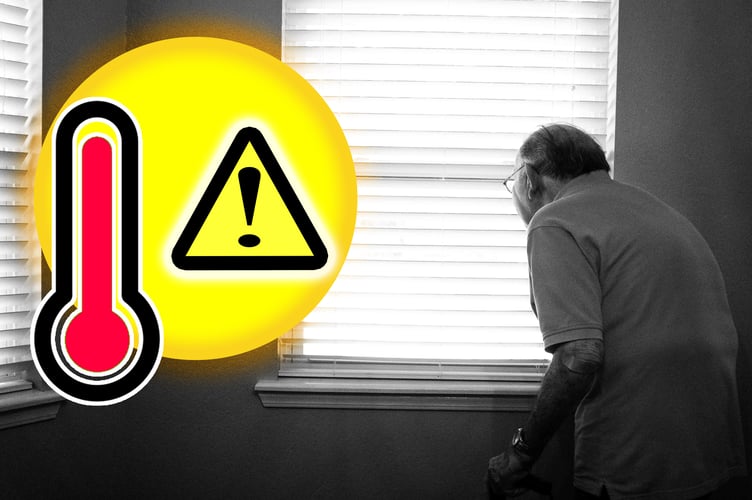
Helpful tips for staying safe when the heat arrives;
Additionally, Somerset County Council have teamed up with Devon and Somerset Fire and Rescue to raise awareness of the risk of wildfires on heathland and forests during the soaring summer temperatures.
Whilst the Fire Service are well trained to deal with wildfires, they need help to reduce the likelihood of them happening.
Most wildfires are started by human behaviour – a BBQ, campfire, discarded cigarette, or glass lying on dry ground magnifying the sun’s rays. They can also sometimes start due to a bonfire getting out of control.
The risk of wildfires is high at the moment. To help to reduce the risk;
If wildfire smoke affects your area, avoid or reduce your exposure to smoke by staying indoors with the doors and windows closed.
People with pre-existing heart and lung conditions such as asthma are most susceptible as breathing wildfire smoke may worsen their symptoms. Children and older people may also be susceptible to health impacts.
Where possible avoid smoky areas. If you should travel through a smoky area, ensure that the vehicle windows are closed and the air conditioning is switched to recycle or recirculate if possible.
Listen out for local news reports and information from the emergency services who will provide advice on the precautions you should take.
Comments
This article has no comments yet. Be the first to leave a comment.