

WELLINGTON Town Council has decided to put up its share of the Council Tax bill by 31 per cent – although in reality that will cost people only the price of two Mars bars a month.
The percentage increase looks startling in black and white but works out at just 30p a week or about £1.20 a month.
The town council only takes a small share of the overall Council Tax bill which will fall through people’s letterboxes in April.
Somerset County Council will take the largest amount with Somerset West and Taunton Council, Police and Crime Commissioner for Avon and Somerset, and Devon and Somerset Fire and Rescue Service also getting a slice of the Council Tax cake.

At Wellington Town Council’s full council meeting on Monday councillors voted to back a proposal to raise its precept to £352,939 for the 2020-21 financial year.
This means that those living in an average Band D household will see their town council part of the overall Council Tax bill go up from £51.19 in 2019-20 to £66.91 – an increase of £15.72.
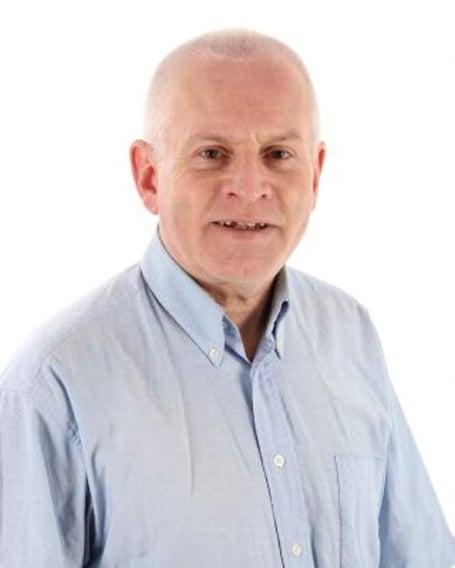
Cllr John Thorne admitted that the ‘31 per cent increase’ would grab the local headlines but said that the actual increase of 30p a week was about the price of ‘half a Mars bar’.
“We are an aspirational council and will be looking to do more things,” he said. “We have moved from a historically low Council Tax at a time when things that could have been done weren’t being done.
“We want to do a lot more but we need the funds to do is. A 31 per cent increase is just 30p a week – and I know how difficult it can be paying bills at times and I don’t easily accept increases – but we do need to do this.
“We want to make Wellington a better place to live, and we can do a lot more to improve the town, but we need the funds to do it.”
The council has set a budget to finance its statutory duties, operate efficiently and effectively, provide services for the town, work positively with partners and other agencies, and fulfil aspirations to enhance Wellington’s community well-being and success.
Cllr Marcus Barr was concerned that although a budget had been set at £447,896 for 2020-21 there were no planned assets – just ‘more and more liabilities’.
“There are no assets,” he said. “This budget is for the very few and not for the many.
“We can’t keep relying on the public to fund these vanity projects – for example, £20,000 on environmental improvements. We could spend £20,000 on a fundraising manager so that they can look at ways of making the council money.
“I don’t disagree with putting the Council Tax up but I just don’t think we spend it in the right areas.”
The Mayor, Cllr Janet Lloyd, said: “Personally I think we need to sort the town out first and we can then look at assets in the future.”
Cllr Mark Lithgow added: “I think having assets is a good thing but it is not the right thing to do at the moment.”
Cllr Mike McGuffie said: “I think we are all on the same page. We approve the budget but we then look at our policies, strategies and priorities to move it forward.”
Cllr James Hunt said it was important that if the council put up its share of the Council Tax then people needed to know why and what it was doing to justify it.
He then listed a long list of items being provided by the town council – weed-killing, grass cutting, extra litter bins, extra dog bins, extra public benches, public toilet improvements and community events.
“But people need to remember that costs are going up and we have to cover the cost of inflation,” he added.
Councillors voted in favour of the precept increase, although Cllrs Marcus Barr and Nick Smith voted against and requested that their names were recorded in the minutes.
Comments
This article has no comments yet. Be the first to leave a comment.