
IF the sudden arrival of the dazzling arrays of lights, trees and the surge in present buying wasn’t enough to remind you that Christmas is almost here then one thing might - the arrival of the now-annual race by supermarkets to almost give away the vegetables that you’ll have with your yearly taste of roasted turkey.
How the supermarkets do it is what is known as a ‘loss leader’. What this means is by selling the vegetables at such a low price, they’ll make a loss on the products but will make the profits back up by everything else you will purchase in their stores.
In short, you came for the vegetables, and left additionally with a turkey, half a bakery of Hovis bread, a crate of sherry for Nan, a bouncing farting sprout toy, a remote control seagull and a television — the profits of which effectively pay for what they lose on the vegetables.
While this means that at a time that there is a cost-of-living ‘crisis’ which has seen the amount we pay in rents, utilities, fuel and food to the point where you might be tempted to re-train the remote control seagull to steal a weekly food shop rather than chips from visitors to our seaside towns, it does beg the question - what does this do for our wider communities?


.jpeg?width=209&height=140&crop=209:145,smart&quality=75)
It is understood that it is the one time of the year where a price drop of this magnitude means that farmers and producers get a similar rate as they would elsewhere in the year, for rather than passing on the discount to how much they pay them, the supermarkets bear the brunt themselves.
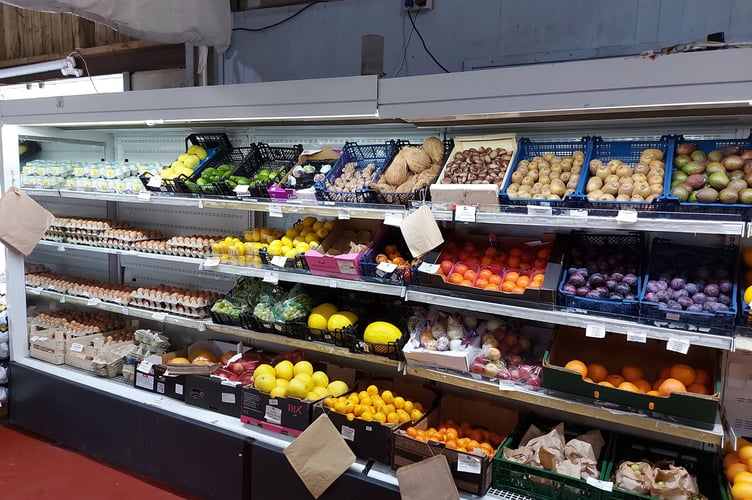
But, what isn’t often considered is the impact such discounts have on the last bastions of fresh fruit on our high street in the form of our local farm shops and the independent fruit and veg sellers.
If you ever find yourself wondering why your local fruit and veg shop isn’t practically giving away your yearly feast of parsnips, it is because they quite simply cannot afford to.
Because, if these stores tried to match the supermarkets, the loss would not be so much of a leader as it is just a loss, because these often family-owned shops neither have the annual profit balance to be able to take a hit of such a magnitude or the range of other products in order to make back up the money they’ve lost.
So, at the time when we’re spending more money than we might at other times of the year, while the supermarket giants stand to benefit from their size, scale and ability to give away vegetables as they make more money at Christmas, it is in all likely probable that what remains of our local high street shops won’t feel that benefit.
They might even, in extreme circumstances, make less money if some of their customers make the festive switch to the supermarket after being tempted by a bag of sprouts for as little as five pence, meaning that in a time of the year for giving, the race to the bottom to get us through the door ends up taking away for the traders who keep the lifeblood of our town centres going.
The last year has laid bare more than anything the challenges our farmers face. These concerns range across the potential impact of the often-called ‘family farm tax’, the true cost of producing the food we eat or the laudable concerns many of us have on the impact that the buying power of big supermarket chains have on food waste (such as wonky carrots).
While it is right and correct that supermarkets have made some moves to be more supportive of farming communities in recent years in the face of customer pressure, it is often considered that the best way to support our farmers in a sustainable way is to shop from the local farm shops and fruit and veg sellers. So, you could argue that the best way to support our farmers is to buy our Christmas produce with our local traders.
At the time of year of giving to those we love, if you have the means to, maybe it’s time we also give our custom to the traders who play a part in the communities of the towns and villages we love for it is these shops. It is, after all, the most wonderful time of year, or so they say.
We all want good, affordable food, to support our farmers, see our high streets thrive and for everything to cost less. So, while this isn’t a ‘don’t go to the supermarket’ message it is one of a plea - this Christmas, remember your local farmers and traders when deciding where to do some of your Christmas shopping.
You might even find that what you spend extra in buying the produce from your local traders, you actually save on not buying that remote control seagull.
Comments
This article has no comments yet. Be the first to leave a comment.