
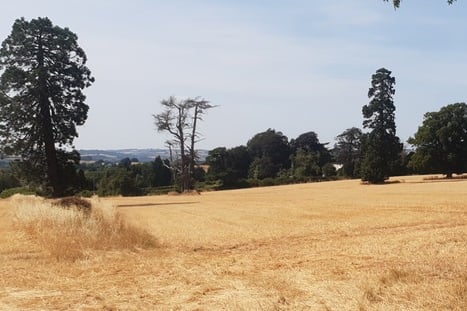
SOMERSET has been officially declared in drought by the Environment Agency.
A large swathe of central, eastern, and southern England is now experiencing a ‘flash drought’ which develops quickly and is brought about by a combination of extremely low rainfall and high temperatures.
Rivers are running low, farmers are having to harvest crops early, wildfire risk is increasing, and millions of people are living under restrictions on water use.
The Environment Agency listed seven drought areas including East Anglia, Hertfordshire and London, Thames Valley, Hampshire and the Isle of Wight, Devon and Cornwall, the West Midlands, and Wessex region which takes in Dorset, Somerset, Wiltshire, and south Gloucestershire.
Just Yorkshire and the North East remain in normal status, with the situation under close review.
The Environment Agency has stepped up its operational response, including enhanced monitoring and controlling how much water can be taken from rivers and groundwaters.
Reservoir storage has fallen further to 75.3 percent for England, about 7.4 percent below the long-term average for the time of year, while Wimbleball reservoir on Exmoor has dropped to 57 per cent full.
Seven water companies have introduced temporary use bans (TUBs), covering 23 million customers – about 40 per cent of England’s population.
Director of water at the Environment Agency and chairman of the National Drought Group, Helen Wakeham, said: “The hot and dry weather means we are currently using water faster than nature can replenish it.
“A second consecutive summer drought is an exceptionally serious situation and one that will have long-lasting impacts on our environment, wildlife, and the economy.



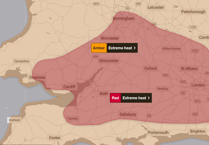
“We want everybody to stay safe and hydrated during the hot weather but every drop we can save is a drop more for nature and agriculture.”
Representatives from the National Drought Group including the Met Office, Government, regulators, water companies, farmers, the Canal and River Trust, anglers, and conservation experts, held a dedicated drought briefing on Tuesday with Water Minister Emma Hardy.
They reviewed impacts, preparedness, and drought response actions across England, with water companies being told to prioritise fixing leaks.
There is also additional engagement with key groups, such as farmers and water companies, and cross-Government work to secure supplies into the autumn.
Ms Hardy said: “Our climate is changing, droughts are becoming increasingly common, and we need to be prepared for this new normal.
“We are delivering long-term change in the water industry and driving record investments in infrastructure, including nine new reservoirs.
“We expect water companies to follow their drought plans, to go further and faster to reduce leaks, and to ensure supplies are not disrupted even in the driest of weather.”
The current drought now means there have been three droughts in the past five years.
Met Office chief meteorologist Will Lang said: “The Met Office continues to work closely with the Environment Agency and partners across the water sector, providing expert meteorological information and forecasts to support drought monitoring, planning, and response activities.”
Comments
This article has no comments yet. Be the first to leave a comment.