
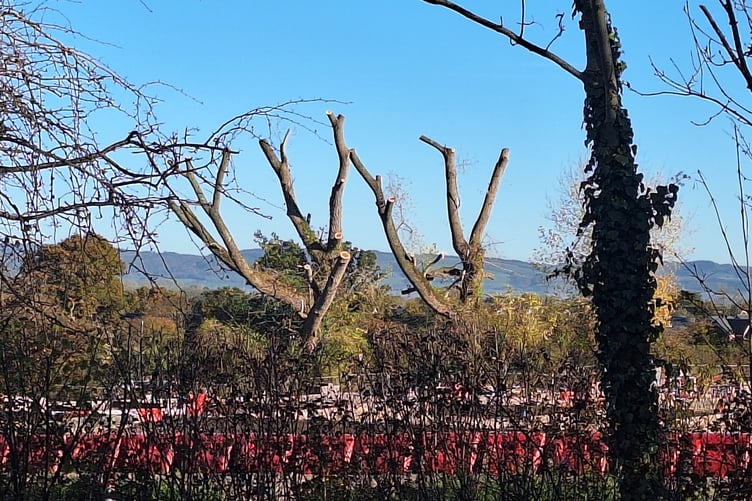
WORRIED residents have been reassured that ancient oak trees have not been chopped down on a new housing estate being built in Wellington.
Dorchester-based housebuilder CG Fry is developing the latest phase of its 650-home Jurston Fields estate to the south of the town.
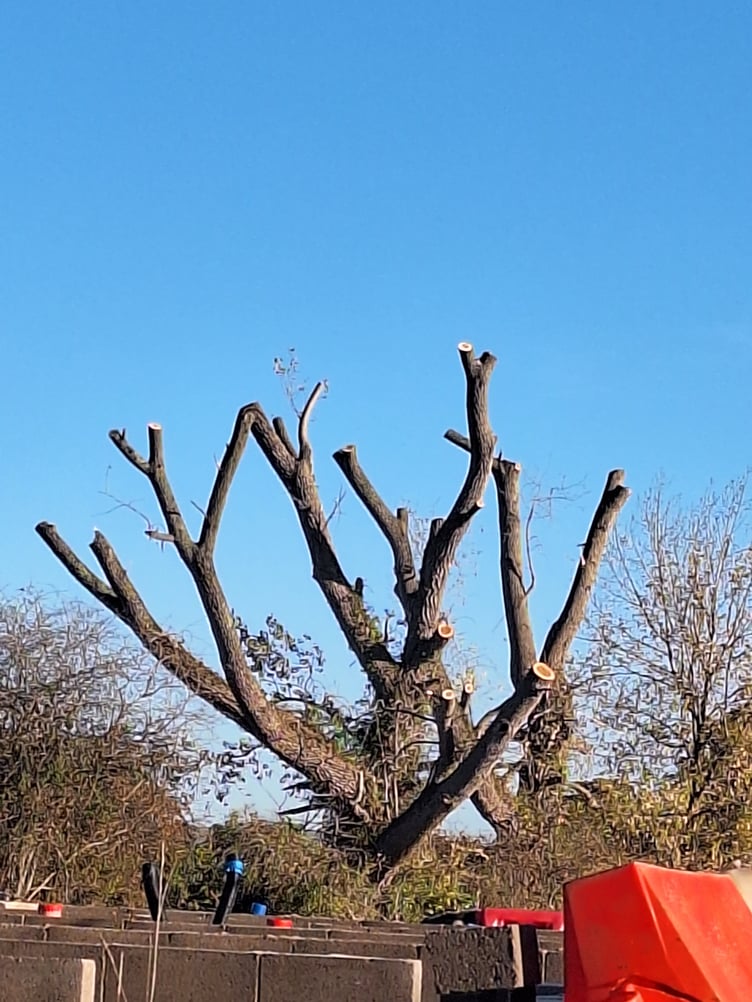
On Thursday (November 12) contractors were seen lopping branches from two large trees on the bank of a stream near Jurston Lane.
The work gave rise to worries that oak trees which are usually protected by Somerset Council with tree preservation orders (TPOs) were being felled.
A number of residents contacted the Wellington Weekly to express their concern over the issue.
One said: “There have been a lot of trees which have been cut down around here, which is very concerning.”
But, it turned out the affected trees were not oaks and neither had they been felled.
A spokesperson for CG Fry and Son told the Wellington Weekly: “Two hybrid poplar trees were assessed by arboriculturists, who identified concerns regarding their condition and the potential safety risks posed by falling branches.




“Rather than removing the trees, we have undertaken carefully considered tree management works, including pollarding to reduce their height.
“These works were recommended to help prolong the life of the trees while ensuring the safety of residents and visitors.
“We recognise the importance of preserving established trees wherever possible and have followed the advice of arboriculturists to ensure the most appropriate course of action is taken, balancing the long-term preservation of the trees with public safety.”
The council’s arboricultural officer David Galley said neither tree was subject to a TPO and one was actually decayed and had been marked for felling.
Mr Galley said pollarding meant the trees would in time regrow, although the one in decline would eventually die off.
Comments
We've recently changed our login process. If you have an account for commenting, you will need to re-register on the login window.
This article has no comments yet. Be the first to leave a comment.